Ozone therapy - how natural oxygen supports regeneration and immunity
September 23, 2025 by Editorial Team
Is it possible to improve health with ... air? It sounds like a joke, but ozone therapy is a serious method used in many countries around the world. Patients use it to recover faster, relieve pain or promote immunity. Although it sounds modern, its history is more than a century old.
What is ozone therapy?
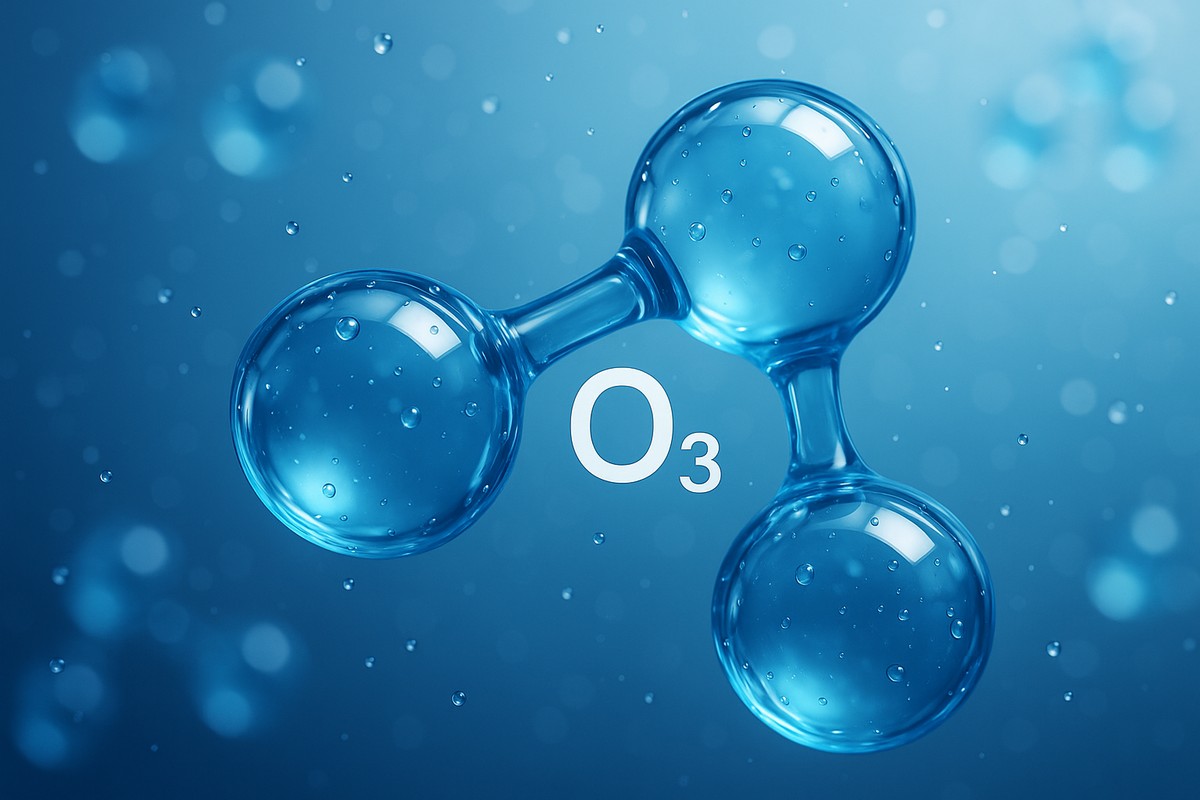
Ozone is a gas consisting of three oxygen atoms. In the atmosphere, it protects us from UV radiation, and in medicine it plays a completely different role - it acts as a natural stimulator of repair processes. Its unique property is that it is extremely reactive, i.e. it reacts rapidly with other molecules.
The first medical applications already appeared during the First World War, when German doctors used ozone to decontaminate wounds. Later, the method was developed in Germany, Italy and also in Cuba, where it is still part of the official health care system today.
Today, ozone therapy combines tradition with modern apparatus. The gas is not administered "just like that", but in strictly controlled doses, so that it supports the body instead of harming it.
How does ozone work in the body?
The simplest way to say it is: it stimulates and regulates. But what does this look like in practice?
- Energy for cells - When ozone comes into contact with the blood, it forms compounds that mobilise the mitochondria. They are the cell's power station, so when they start working more intensively, the body gains more energy for repair and regeneration.
- Improved circulation - red blood cells become more elastic, pass through the capillaries more easily and deliver oxygen to the tissues more efficiently.
- Fight against bacteria and viruses - Ozone oxidises the membranes of microorganisms and they simply stop functioning. This is a natural way to reduce infection.
- Resilience in balance - therapy induces so-called controlled oxidative stress. It sounds dangerous, and in practice it causes the body to start producing more of its own protective enzymes.
Through these mechanisms, patients often notice not only an improvement in the site of their ailment, but also increased vital energy and an overall lightness of the body.
Who is this therapy for?
The spectrum of applications is really wide. It is not only a method for people with chronic illnesses, but also for those who simply want to function better.
Example patient groups:
- people with wounds that are difficult to heal - bedsores, diabetic ulcers, chronic skin inflammation,
- patients with cardiovascular disease, limb ischaemia, varicose veins,
- people suffering from back pain, arthritis or chronic muscle tension,
- Athletes who want to return to training more quickly,
- fatigued people with reduced immunity who are looking for natural support before the infection season.
Each of these patients has a different story. For one, ozone therapy is a way of speeding up a return to work after an injury, for another, a chance to avoid complications from diabetes.
What does the treatment look like?
Patients often ask: does it hurt? The answer is simple - no.
Ozone therapy can be carried out in several ways:
- Autohemotherapy - a small amount of blood is drawn, mixed with ozone and reintroduced into the body.
- Local injections - the application of ozone to the joints, muscles or spine.
- Ozonation of wounds - the use of special 'tents' or bags filled with ozone, which are applied to the affected area.
The procedure itself usually lasts from a dozen to several dozen minutes. The patient feels comfortable, there is no need for convalescence and you can return to your daily activities straight away.
Most common indications
Although the list of applications is long, it is worth pointing out those in which ozone therapy works particularly well.
- Spinal pain associated with discopathy or sciatica,
- chronic inflammatory conditions of the joints, including rheumatoid ones,
- diabetic ulcers, surgical wounds and decubitus ulcers,
- Lyme disease and other chronic infections,
- autoimmune diseases (e.g. Hashimoto's, lupus) as support for treatment,
- recovery in athletes after intense exercise.
The advantage is that ozone has both local and systemic effects. As a result, it can simultaneously alleviate ailments and improve the overall condition of the body.
When to avoid ozone therapy?
Although the method is considered safe, it is not for everyone. There are situations in which doctors recommend caution or even prohibit its use.
These include:
- recent myocardial infarction and severe cardiovascular disease,
- hyperthyroidism,
- blood clotting disorders,
- severe anaemia,
- epilepsy,
- Pregnancy, especially the first trimester,
- G6PD enzyme deficiency, which can lead to the breakdown of red blood cells.
It is also worth remembering that ozone therapy does not replace oncological treatment or antibiotic therapy. It can be an adjunct to, but not an alternative to, classical medicine.
What does the research and patient experience say?
The scientific world is taking ozone therapy more and more seriously. Meta-analyses and clinical studies are emerging which show that the method can promote wound healing, reduce pain symptoms or improve circulation.
Patients, on the other hand, point to something else - a sense of 'refreshing' of the body. Many describe that after a few sessions they have more energy, sleep more soundly and recover more quickly. These are, of course, subjective experiences, but they are hard to ignore when they are repeated in various stories.
Ozone therapy in everyday life
It is not only a method for seriously ill people. It is increasingly used by busy people, amateur athletes or those who want to strengthen immunity.
So you can look at it as a kind of 'gym' for the cells. Instead of dumbbells and a treadmill, they get a dose of oxygen in its most active form, and the result is better functioning of the whole body.
So why all this ozone therapy?
There are no miracle therapies that work for everything. But there are methods that realistically support the body and help it cope better with challenges. Ozone therapy belongs to this group.
For some, it will be a lifesaver for chronic wounds, for others, a way to recover from an injury or a marathon. And for many, simply an interesting way to give the body an extra boost.
FAQ
Questions and answers
No, the treatment is not associated with pain. The patient may only feel a slight prick at the injection or a chill at the site of ozone injection. The entire procedure is usually well tolerated, and after the procedure is completed, one can return to daily activities without the need for rest.
It depends on the health problem. With back pain, improvement is sometimes noticeable after just a few sessions; with chronic wounds, a whole series is needed. The doctor always sets the plan individually, taking into account the patient's condition and the purpose of the therapy.
No - it is an adjunctive method, not an alternative to traditional medicine. Ozone improves oxygenation, promotes immunity and reduces inflammation, but it is not a substitute for medication or surgery if necessary. It works best in combination with other therapies.
For some people, the benefits, such as reduced fatigue or improved wellbeing, are visible for a few weeks. In chronic illnesses, cyclical series of treatments are needed to maintain stable effects. It is a method that works particularly well as long-term support.
Yes, but like any therapy, it requires prior consultation with a doctor. Older people often have co-morbidities, so the dosage and form of treatment must be well chosen. Properly administered ozone therapy can improve circulation, support immunity and accelerate recovery in old age.
Author of the article
