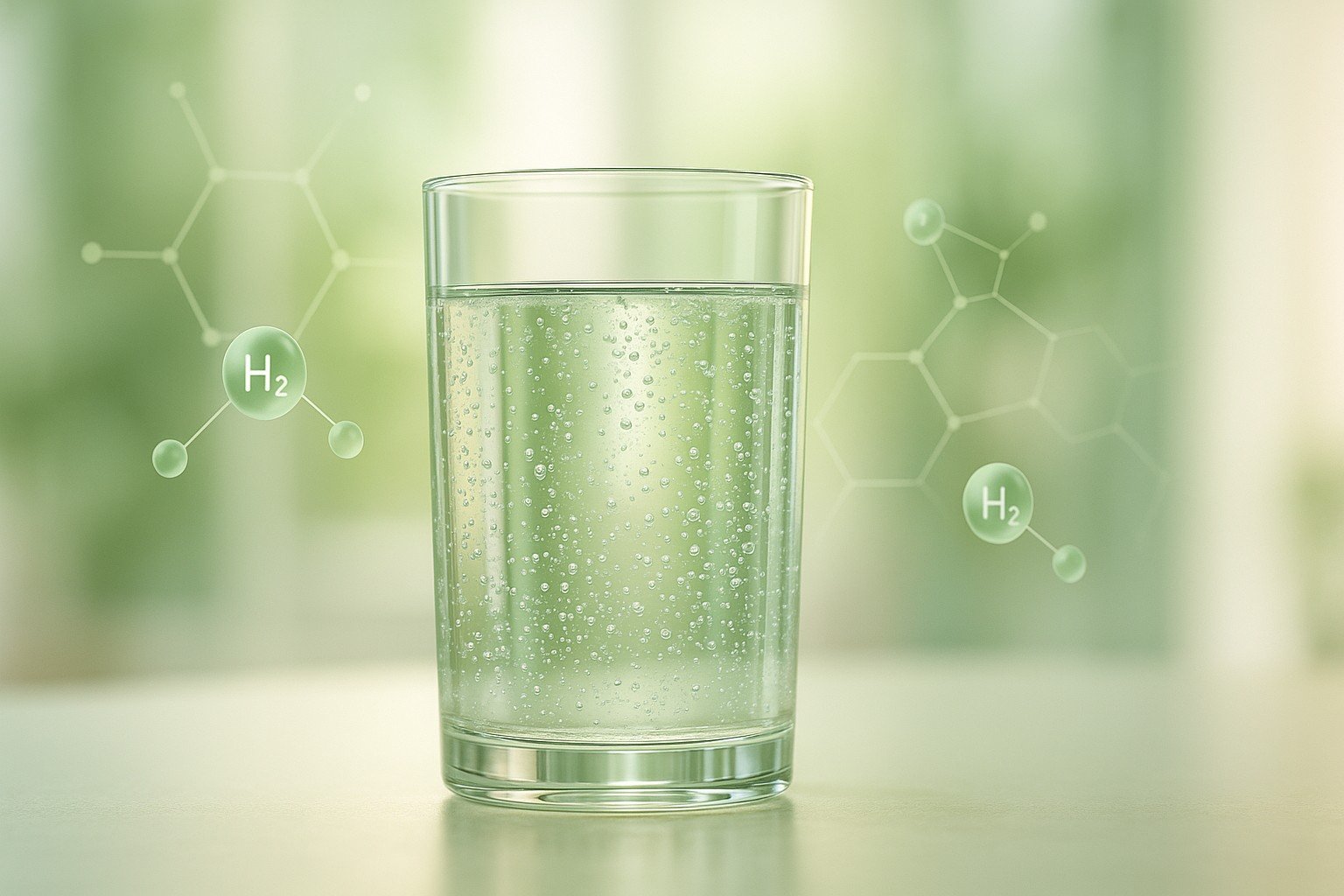
From an inert gas to a promising therapy
Hydrogen (H₂) - the smallest molecule that can support health on many levels.
Brief history and mechanism of action
Back in 1975, it was shown that inhalation of H₂ inhibits tumour growth skin in mice. After more than two decades, a French study confirmed that Hydrogen alleviates parasitic hepatitis. Today molecular hydrogen is a rapidly growing area of research, based on its ability to penetrate cells and neutralise free radicals.
1. Cardiovascular protection
- Reducing myocardial infarction: inhalation of H₂ reduces the area of necrosis after myocardial infarction.
- Prevention of atherosclerosis: hydrogen inhibits LDL oxidation and vascular wall inflammation.
- Post-transplant support: regular consumption of hydrogen water can reduce the risk of chronic rejection.
2. Treatment of liver disease
- Reducing inflammation: H₂ inhibits pro-inflammatory cytokines in hepatitis B.
- Protection against fibrosis: slows the progression of fibrogenesis in animal models.
- NAFLD: Hydrogen water reduces oxidative stress in non-alcoholic steatohepatitis.
3. Mitigating the effects of radio and chemotherapy
- Neutralisation of free radicals arising during cancer therapy.
- Protection of healthy tissue without weakening the effect of the treatment.
- Improving quality of life: reduction of nausea, fatigue and inflammation.
4. Support of the nervous system (Alzheimer's, Parkinson's)
- Blood-brain barrier penetration: H₂ reaches the neurons directly.
- Reduction of oxidative stress in the brain; improving cognitive function in animal models.
- Neuroprotective potential: alleviating memory impairment in older people.
5. Addressing metabolic syndrome
- Improving lipid profile: decrease in LDL, increase in HDL.
- Reducing insulin resistance: better glycaemic control.
- Reduction of oxidative stress and inflammation in adipose tissue.
6. Protection of the digestive tract
- Soothing ulcers: protection of the gastric mucosa against aspirin and stress.
- Accelerated healing epithelium thanks to its antioxidant effect.
7. Glucose and insulin regulation
- Reducing glycaemia in animal models and preliminary studies in humans.
- Increase in insulin sensitivity - benefit in both type 2 diabetes and supportive therapy for type 1.
8. Anti-inflammatory and antioxidant effects
- Direct neutralisation free radicals thanks to small H₂ molecules.
- Support of endogenous enzymes antioxidants (e.g. SOD, catalase).
- Universal benefits - from the skin to the internal organs to the nervous system.
How to use hydrogen water?
- Dosage:
150-300 ml per day (1-2 glasses). - Reception time
in the morning on an empty stomach and/or after exercise. - Consume within 5 minutes
from preparation in order to maintain an optimum concentration of H₂. - Temperature:
room.
Safety and considerations
- Hydrogen purity > 99.999 %, ORP approx. -550 mV.
- The product is not a substitute for treatment by a doctor.
- People with severe renal insufficiency should consult a doctor before regular use.
Thanks to its versatile properties Molecular hydrogen is a promising addition to therapy and healthy living - from the heart to the liver to the brain and digestive system.
Author of the article
