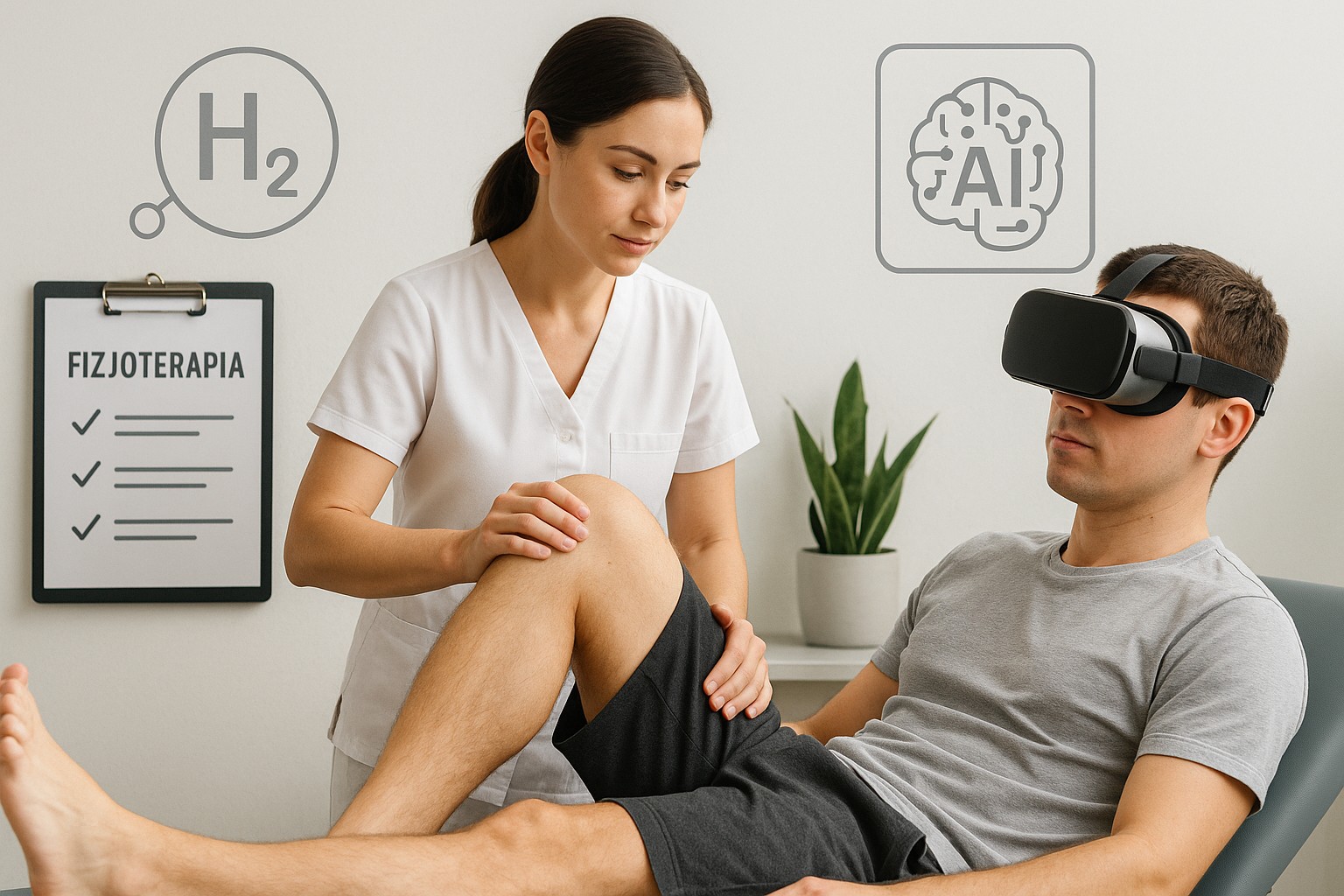
Modern physiotherapy is evolving rapidly, with patient expectations and technological changes forcing professionals to continually expand their expertise. New procedures, such as pinopressure or therapies using artificial intelligence. These are becoming not only a response to market needs, but also a viable tool for improving treatment efficiency. What is the importance of continuous further training and innovation in everyday physiotherapy practice?
Importance of competence development
Implementing new skills and procedures is not only a matter of professional prestige, but above all of improving the quality of patient care. According to international standards, the competence of a physiotherapist should include both theoretical knowledge and practical skills. They should be regularly updated based on the latest scientific research.
Evidence-based practice - the foundation of effective physiotherapy
Evidence-based practice (EBP) is now recognised as the cornerstone of every physiotherapist's work. This not only means using the latest research. It also means critically evaluating one's own actions and adapting therapy to the individual patient's needs. This makes it possible to achieve better treatment results, reduce rehabilitation times and minimise the risk of complications.
New procedures - an opportunity for growth and efficiency
In recent years, more and more advanced procedures have been introduced into physiotherapy practice. These include pinopressure, dry needling, or therapies using VR and AI. Their implementation requires not only the completion of specialised training, but also an openness to change and a readiness for continuous learning. Studies show that physiotherapists who regularly attend courses and workshops achieve higher treatment success rates and are better rated by patients.
- Pinopressure
A manual technique that allows precise action on soft tissues, reducing pain and improving patient function. - VR/AR therapies
the use of virtual and augmented reality allows for more engaging and effective rehabilitation sessions, especially when working with children and people after neurological injuries. - Artificial intelligence
Algorithms help to analyse movement and plan individualised therapy programmes to achieve the desired results faster.
Challenges and barriers
The most commonly identified barriers to extending competence are lack of time, limited financial resources and difficulties in accessing high quality training. However, investment in professional development pays off in the form of better treatment outcomes and greater satisfaction for both patients and physiotherapists themselves.
Why this is needed
Expanding competence and implementing new procedures is not only a requirement of today's market, but above all a path to more effective and rewarding work. Physiotherapists who invest in their development gain a competitive advantage and make a real difference to their patients' quality of life.
Sources:
- sciencedirect.com/science/article/abs/pii/S0031940623000366
- synergyhealthmanagement.com/evidence-based-physiotherapy/
- ca.indeed.com/career-advice/resumes-cover-letters/physiotherapist-skills
- pmc.ncbi.nlm.nih.gov/articles/PMC8887773/
- physio.kinvent.com/article/5-key-trends-for-the-physiotherapy-industry-in-2025/
- world.physio/sites/default/files/2024-01/PS-2023-EBP_0.pdf
FAQ
Questions and answers
Yes, most modern techniques, such as pinopressure or dry needling, require completion of specialised training culminating in certification. This guarantees the safety and effectiveness of the therapy.
It is advisable to be guided by the reputation of the provider, feedback from participants and an evidence-based programme. The best courses are led by practitioners with extensive experience and supported by current research
Not every technique will work in every case. The key is to take an individual approach and select the method for the patient's specific problem, in line with EBP principles
The most common mistake is to implement a procedure too quickly without adequate preparation or to apply it without clear indications. It is important that each new technique is first well mastered theoretically and practically.
Yes, the implementation of modern methods increases the effectiveness of treatment, enhances the prestige of the practice and attracts new patients, which translates into increased revenues
Author of the article
